700 words (8 minutes reading time) by Lancing Farrell
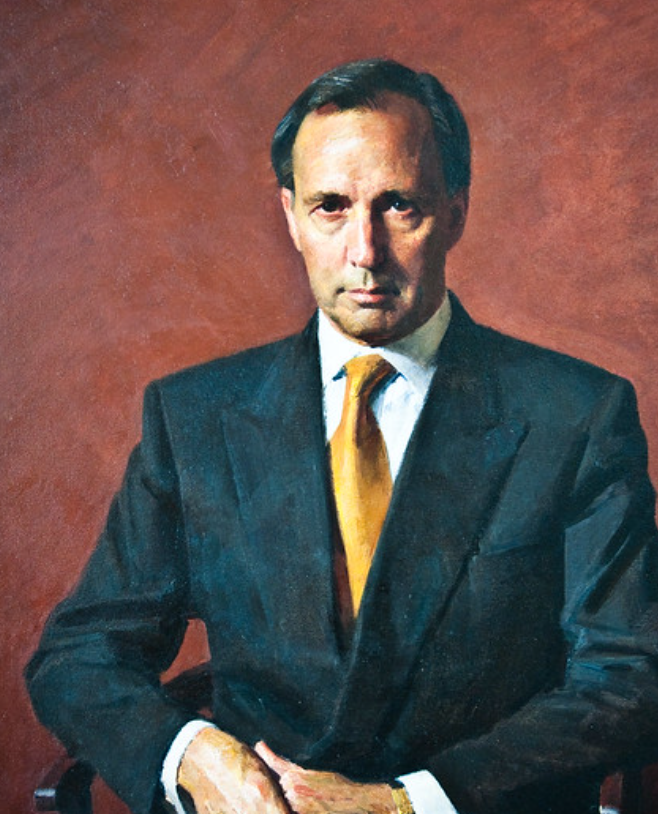
Former Prime Minister, Paul Keating
I have been reading an MBA thesis written by an experienced local government CEO in 1999. It looks in detail at performance measurement and discusses many aspects of local government management in a thought provoking way. I have been reflecting on how much or how little has changed since then and whether or not the expectation evident in the writing, i.e. that the major reforms endured by the sector in the 1990s would herald improved performance, have been realised.
I selected the insight into citizenship and consumerism to draft a short post. Rather than test your patience with my detailed analysis, I asked ChatGPT to craft my notes into a speech in the style of former Australian Prime Minister Paul Keating.
Enjoy.
Ladies and gentlemen,
In the realm of local governance, we witnessed tides of transformation during the 1990s, as corporate management and managerialism made their grand entrance. These management practices, often lauded for their prowess, introduced a new lexicon into the world of local governance, terms like ‘client,’ ‘customer,’ and ‘consumer,’ now marching in lockstep with our cherished ‘citizen.’ Three decades on, it is imperative that we hold fast to the timeless values of traditional governance and citizenship.
Continue reading
 Local Government Utopia