277 – Mediocrity at work.

1000 words (11 minutes reading time) by Gordon Brittas

I seldom put pen to paper, however, reading the viewpoints of former colleagues has stimulated my thinking. Tim Whistler and Carole Parkinson’s posts on model collapse have started me thinking they are onto something. Is model collapse just mediocrity at work? Perhaps mediocrity is a product of model collapse? Or could it be a cause? So many questions.

As an expert in mediocrity, I must say that I know it when I see it.

Mediocrity

A recent paper by Tobias Jones entitled ‘Italy’s strangely seductive culture of mediocrity’, struck a chord with me. Jones cites a paper by the Oxford criminologist Diego Gambetta and Paris-based philosopher Gloria Origgi, ‘The LL game: The curious preference for low quality and its norms’, which discusses why so many academic conferences in Italy go seriously awry in a ‘cocktail of confusion, sloppiness, and broken promises’. It suggests that most Italians in academia prefer sloppiness to perfectionism.

Continue reading
268 – Local government history – repeating, rhyming or informing?

900 words (10 minutes reading time) by Colin Weatherby

Image

I believe that it is important to understand how we have gotten to where we are today if we are proposing to make changes, simply so that we can benefit from past learnings and avoid repeating mistakes at the expense of the community. I like to see evidence backing a proposal that commits significant community resources to doing something.  Call me old fashioned (and people sometimes do) but I figure it is what a careful professional does.

Having always worked with public infrastructure, I know decisions made today have ramifications for another 50 to 100 years. No one builds a road or plants a tree thinking only about the next 5 years. I have cursed short cuts made decades ago by my predecessors when I have been required to sort out difficult problems. My approach is typically characterised by colleagues as time wasting in their haste to get on with trying out the latest management fad and, potentially, just doing wrong things righter.

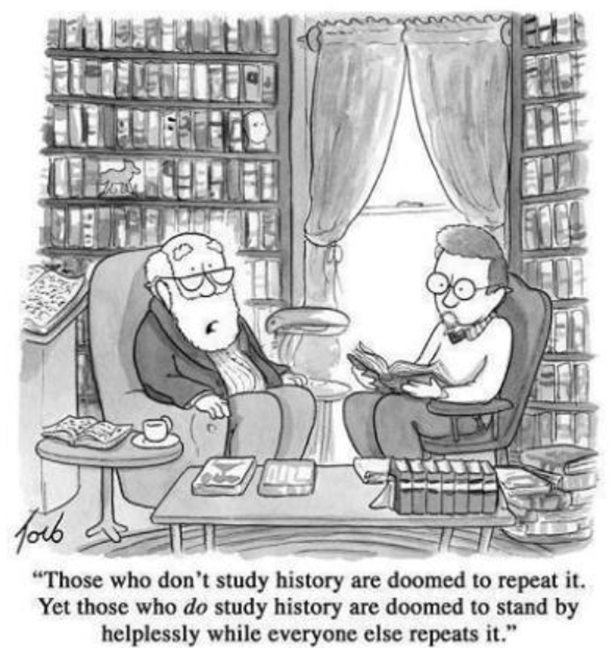
This post is an attempt to unpick what has happened in Victorian local government to get us to where we are, and understand what it means for what councils should do next. My concern is that councils faced with the failure of existing approaches, as evidenced by the imposition of the rate cap (effectively a taxpayer revolt!), will then double down in doing the things that leaders know how to do. If it is not history repeating, it will at least be rhyming as Mark Twain observed. Better still, it is neither and it becomes informing.

Continue reading