286 – Abundance, Regulation and Council Costs

2000 words (18 minutes reading time) by Lancing Farrell
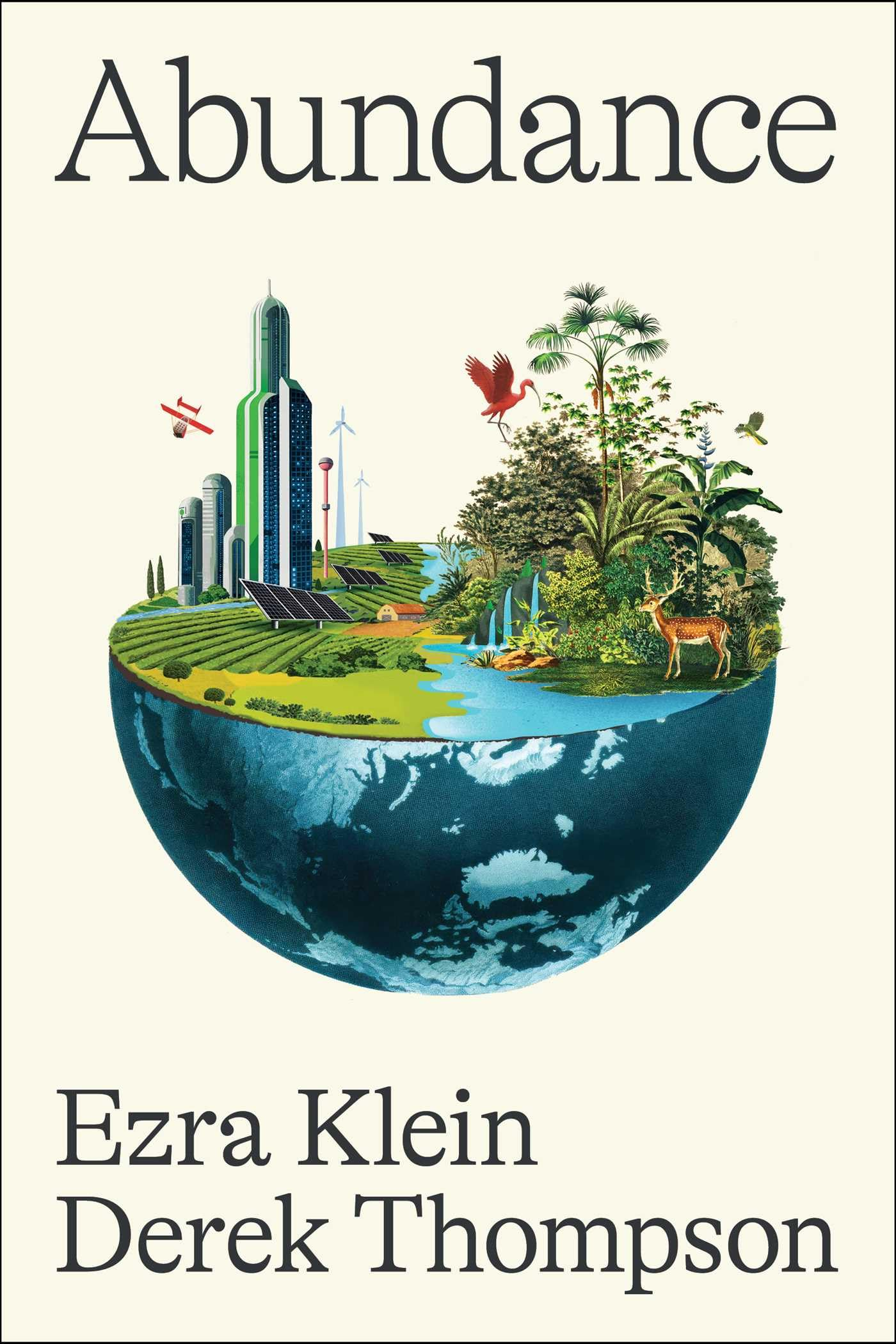
I might be drawing a long bow, but I think the Abundance agenda presents a fundamental challenge for those councils trying to find a way forward that is financially sustainable in a rate capped environment. It opens the door to reviewing regulatory and other service design to make savings and support economic growth.

Let me start at the beginning.

On 19 June 2025, in an article about a speech by Jim Chalmers, the Australian Treasurer, he was quoted as saying that left-leaning governments (as we currently have in Australia) are “strangling their own good intentions with bureaucracy”. He is asking regulators across the nation to identify regulations that can be axed or simplified to reduce compliance costs and increase the pace of economic growth. It is part of delivering a supply-side solution to the nation’s housing and energy problems by removing government-imposed impediments to production of goods and services.

Continue reading

276 – Synchronicity, systems, facts and accidents…

1300 words (14 minutes reading time) by Lancing Farrell

I have been doing some diverse reading recently, some of it inspired by world events. Serendipitously, it has led me to an insight that I thought I would share.

Why we’re Polarized

The first book is Ezra Klein’s international bestseller ‘Why we’re Polarized’. He says the book is an examination of the American political system and that it is unlike most books on American politics, which he says tend to focus on the individuals.

“Let me be clear from the beginning: This is not a book about people. This is a book about systems.”

Ezra Klein, ‘Why we’re Polarized’

Klein is an American and says two decades of reporting on American politics has shown that it has predictable cycles and patterns that repeat. He sets out to explain the failure of the political system, which he says occurs despite it being ‘full of rational actors making rational decisions given the incentives they face’. He describes it as a collection of functional parts that combine into a dysfunctional whole.

Continue reading